Using Educational Technology to Create Open Enrollment Opportunities in CTE Programs
by Yecsenia Castro, OTAN Subject Matter Expert
Career Technical Education (CTE) programs play a critical role in preparing students for high-demand careers in healthcare, technology, construction, and other essential industries. As workforce needs continue to grow, adult education providers are challenged to expand access while maintaining program quality and student success.
One strategy that has transformed our approach to CTE delivery is the use of educational technology to create an open enrollment model supported by hybrid learning and a Learning Management System (LMS). By rethinking traditional enrollment structures and leveraging technology, we have increased accessibility, improved student satisfaction, and expanded enrollment opportunities for adult learners.
The Challenge of Traditional CTE Programs
Many CTE programs operate using a cohort model with fixed start dates usually in the fall. While this structure provides consistency, it can create barriers for adult learners who are balancing employment, family responsibilities, and other commitments.
Students who miss an enrollment period often have to wait several months or up to a year before beginning their training. Likewise, students who must pause their education due to life circumstances may find it difficult to re-enter the program without significant disruption.
As educators, we asked ourselves an important question: How can we make CTE programs more flexible while maintaining instructional quality and student accountability?
Moving Toward Open Enrollment
The answer was found through modular course design and educational technology.
Rather than delivering the curriculum as one continuous sequence, Hacienda La Puente Adult Education redesigned its Health Careers curriculum into self-contained instructional modules. Each module focused on a specific set of competencies and learning outcomes, allowing students to enter the program at multiple points throughout the year rather than waiting for a single cohort start date.
Hacienda La Puente Adult Education has been a pioneer in implementing this approach within its Health Careers programs. By leveraging technology, modular curriculum design, and open enrollment practices, the school transformed access to career training opportunities. As a result, annual program enrollment increased from approximately 15–22 students per year under the traditional cohort model to more than 80 student enrollments annually through the open enrollment model. This growth demonstrates how flexible instructional design can significantly expand access while continuing to support student success. Modularization created the foundation for open enrollment, but technology made implementation possible.
The Role of the Learning Management System
A Learning Management System (LMS) became the central hub for instruction, communication, assessment, and student progress tracking. Using platforms such as Canvas or Google Classroom, educators can:
- Organize content into clearly defined modules
- Provide students with 24/7 access to instructional materials
- Deliver assignments and assessments digitally
- Track student progress and completion
- Communicate with students through announcements and messaging tools
- Support students who may be learning at different paces
The LMS allows students to engage with content independently while providing instructors with the tools needed to monitor progress and offer targeted support.
Supporting Hybrid Learning
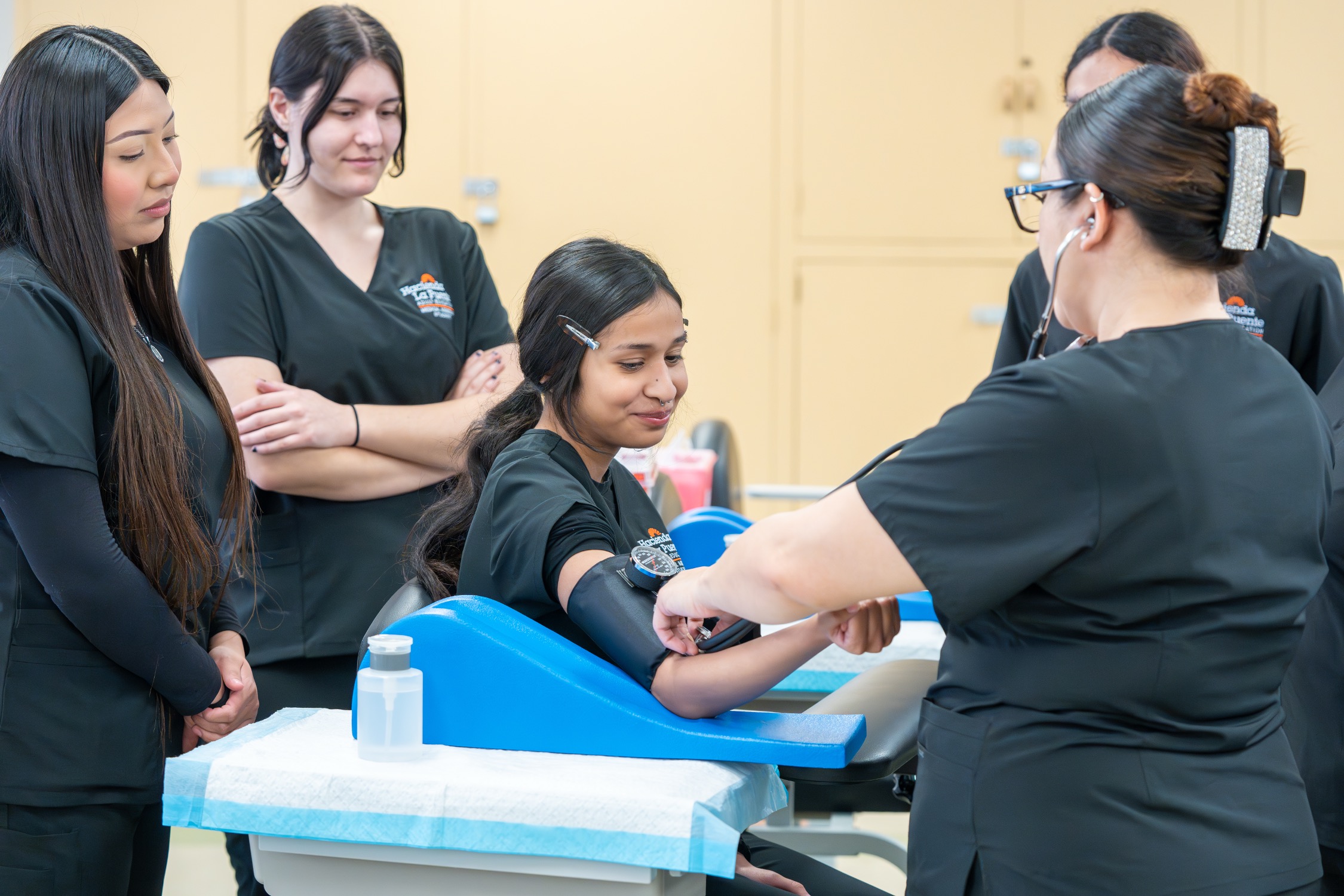
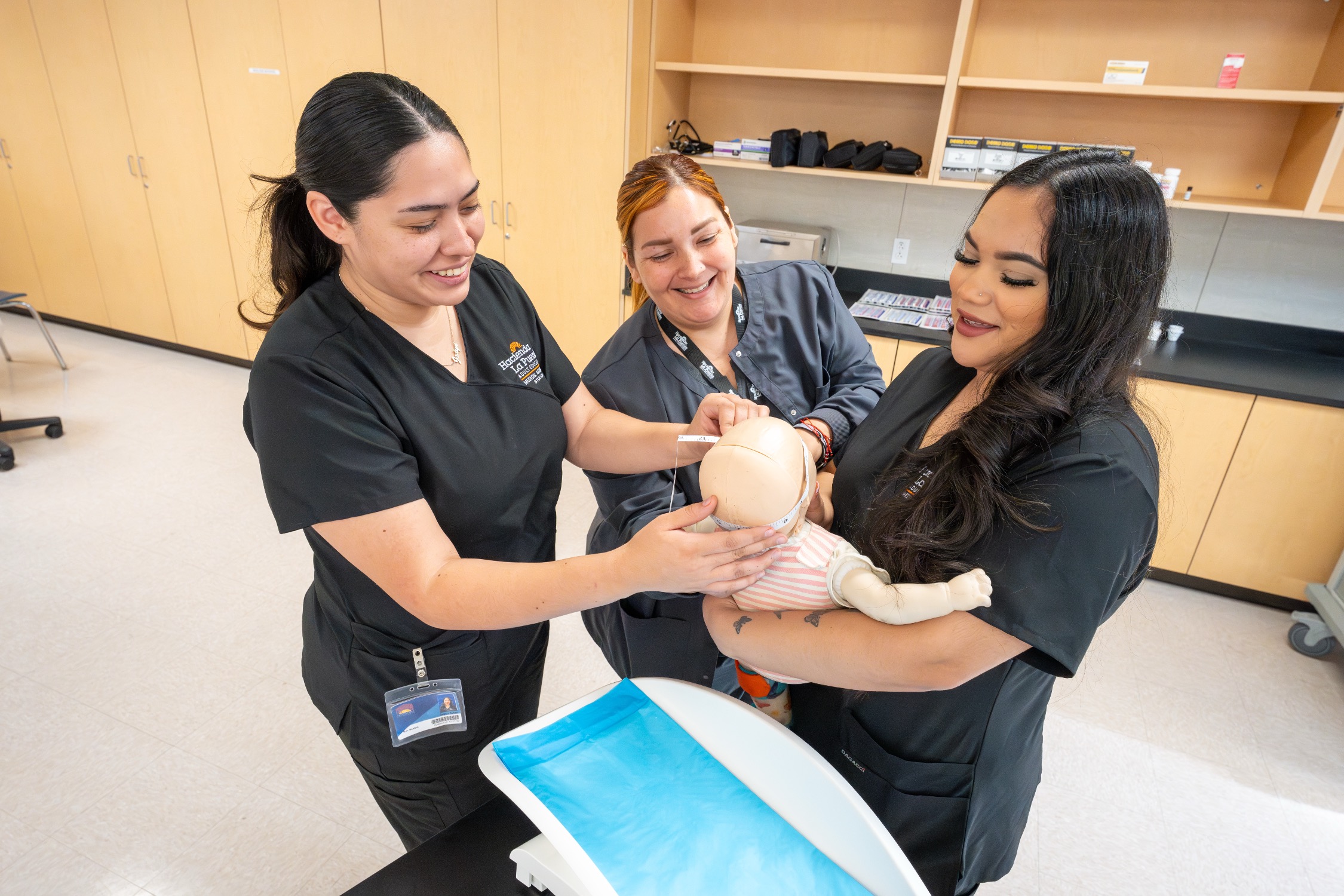
Hybrid learning is a key component of successfully implementing an open enrollment model. By combining online instruction with face-to-face learning opportunities, programs can offer students greater flexibility while maintaining the hands-on experiences that are critical in Career Technical Education (CTE).
At Hacienda La Puente Adult Education, students complete coursework, assignments, and assessments through a Learning Management System (LMS) while also attending scheduled in-person sessions focused on skill development, demonstrations, laboratory activities, and instructor-guided practice. For example, Pharmacy Technician students first learn prescription processing procedures, medication safety, pharmacy calculations, and workflow concepts through online modules. Then, during in-person lab sessions, students apply this knowledge by practicing prescription filling, medication dispensing procedures, inventory management, and other industry-specific skills in a simulated pharmacy environment. This blended approach allows students to engage with course content at their own pace while still receiving the direct instruction, hands-on practice, and performance feedback needed to master technical competencies and prepare for real-world employment.
For adult learners, hybrid learning offers numerous benefits, including increased scheduling flexibility, reduced barriers related to transportation and work commitments, greater access to instructional materials, opportunities for self-paced learning, and continued engagement with instructors and peers.
Educational Technology Tools That Increase Engagement
Technology should do more than simply deliver content—it should actively engage students in the learning process. At Hacienda La Puente Adult Education, instructors use a variety of technology tools to support instruction, increase engagement, and create meaningful learning experiences in both online and hybrid environments.
Programs
- Video Creation Tools
Video-based instruction allows students to access content when and where they need it. Instructors utilize tools such as Loom, Screencastify, and Zoom recordings to create demonstrations, tutorials, skill reviews, and course introductions that students can access on demand. These resources help reinforce learning and provide students with the flexibility to review content as often as needed.
- Interactive Learning Tools
To promote active learning and provide immediate feedback, instructors incorporate interactive platforms such as Quizizz, Quizlet, and EdPuzzle. These tools allow students to practice skills, check their understanding, and engage with course content in a dynamic and interactive way.
- Collaboration and Communication Tools
Building connections among students remains an important component of student success, particularly in hybrid and online learning environments. Hacienda La Puente Adult Education instructors utilize tools such as Padlet, Microsoft Teams, and LMS discussion boards to encourage communication, peer interaction, reflection, collaboration, and resource sharing.
Results and Lessons Learned
Transitioning to an open enrollment model required thoughtful planning, curriculum redesign, and faculty training. The benefits have been significant, and we observed:
- increased program accessibility
- growth in enrollment opportunities
- improved student persistence
- greater student satisfaction
- more flexibility for adult learners balancing multiple responsibilities
Perhaps most importantly, students gained greater control over their educational journey. Instead of adapting their lives to fit a program's schedule, the program became flexible enough to support their individual needs.
Recommendations for Adult Educators
For educators considering a move toward open enrollment, consider the following steps:
- Break curriculum into manageable, self-contained modules.
- Identify an LMS that supports your instructional goals.
- Develop clear learning objectives for each module.
- Create consistent online course structures.
- Incorporate video, interactive activities, and collaboration tools.
- Use LMS analytics to monitor student progress.
- Maintain regular instructor communication and support.
Technology alone does not create successful open enrollment programs. Success comes from combining thoughtful instructional design, strong student support systems, and purposeful use of educational technology.
Looking for a Starting Point? Consider DLAC
For agencies interested in implementing open enrollment, hybrid learning, or LMS-supported instruction, OTAN's Digital Leadership Academy (DLAC) offers a valuable pathway for planning and leading technology-driven change.
DLAC is a two-year professional learning experience that brings together educators and administrators to develop, implement, and evaluate technology projects that improve teaching and learning. Participants receive ongoing coaching, collaboration opportunities, and support from experienced adult education technology leaders. Your team could redesign curriculum, strengthen LMS implementation, and develop sustainable technology practices.
Transforming instruction through technology can feel overwhelming, but DLAC provides a structured framework and support system to help agencies move from ideas to implementation. For many programs, it serves as a catalyst for innovation and long-term success. Applications for the next cohort 2026-2028 are now open until August 10, 2026.
Final Thoughts
As adult educators, we are constantly looking for ways to remove barriers and create pathways to success. Educational technology, hybrid learning, and LMS platforms provide powerful opportunities to reimagine how CTE programs are delivered.
By embracing modular course design and open enrollment strategies, we can expand access, improve flexibility, and better serve the diverse needs of adult learners preparing for today's workforce.
The future of CTE is not only about teaching technical skills—it is about creating learning environments that meet students where they are and support them on their pathway to career success.